Stem Cell and Regenerative Medicine
Open AccessTherapeutic Effects of Aging Stem Cells
Authors: Michelle T. Lussier, Vincent S. Gallicchio.
Abstract
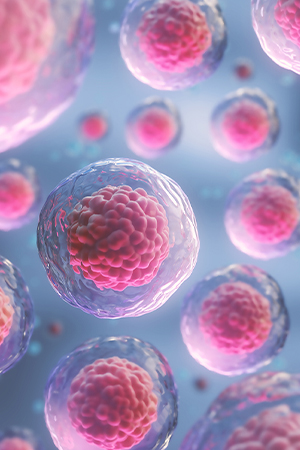
Have researchers stumbled upon a way to create our own fountain of youth? Stem cells are unspecialized cells in the body capable of self-renewal and differentiation, ultimately responsible for the regenerative capacities of our body’s tissues. Known changes that occur on the molecular and cellar levels of aging stem cells are: accumulation of toxic metabolites, DNA damage, epigenetic alterations, aggregation of damaged protein, mitochondrial dysfunction, changes within the stem cell niche and changes with the body’s regulatory systems as a whole. Varying treatments, including the use of the antioxidant N-acetyl-l-cysteine, addition of mTERC to the cell, rapamycin treatment disengaging mTOR and the use of short-term and long-term calorie restricted diets, have shown promising effects in decreasing or reversing the level of damage caused to stem cells during the aging process. More research on how each of these mechanisms effects the cell, as well as determining if treatment is blocking the mechanisms causing these damaging effects or if treatment is simply treating the symptoms of these damages, is needed in order to further these treatments. The idea of an everlasting young pool of stem cells does not seem completely out of reach when the cellular and molecular changes occurring within the stem cell are studied.
Editor-in-Chief
View full editorial board →